
By Kimine Mayuzumi
“There’s a belief that happiness is not possible here and now, so we have the tendency to run into the future in order to look for happiness” – Thich Nhat Hanh
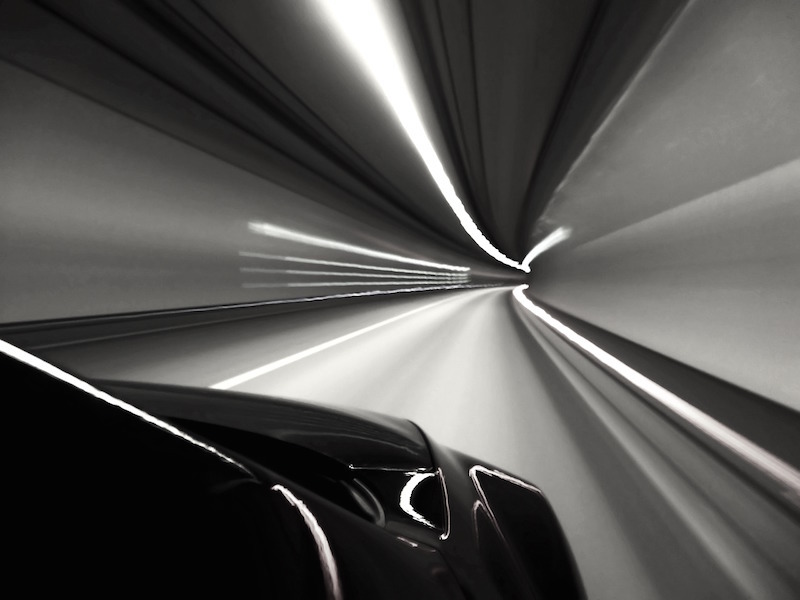
Imagine that I am in a super fast car that can zoom 200 miles (322 kilometers) per hour. What could I see on the way? I would probably see everything as being blurry or I wouldn’t see anything at all. I would be busy looking at the road in front of me or trying to maintain control of my car.
Similarly, the rushed feeling I have in my daily life narrows my vision. I get stressed if I come across any obstacles that get in the way of my destination. Whether getting things done or not, the tensions that I embody and the mental clutter derived from the rush affect me later on in the day. When I step back, and after a couple of deep breaths, I can observe the consequences of rushing and not slowing down. Here are five consequences that come to mind:
1. Missing out on important moments
When I try to get things done quickly, my mind becomes narrow and sometimes gets agitated by the pressure of time. I end up missing out on important moments in my life. For instance, I missed the moment of my 4-year-old daughter telling her dolls stories with her cute voice. This is a precious moment that will never come back. I may be half listening to what my kids are saying to me while I am busy doing housework or preparing for a meeting. I may completely miss the seasonal cycles that are happening around me (e.g., the changes in the color of the leaves during the fall). If I keep rushing, I fail to appreciate those moments, which give me humility and renewed energy for life.
2. Disconnection
Similarly, rushing towards a destination disconnects me from the rest of the world. The focus is on how I can get from A to B quickly, so I start putting a wall between me and the rest of the world. For instance, when I was an international student in a master’s program, getting coursework done was my priority. I kept pushing myself and didn’t want to slow down. Even when I was at a social event held by the Rotary scholarship foundation, I kept thinking about the reading assignments. I felt so disconnected from everything and everyone there that I left to do the reading. However, I did not make much progress with the reading assignments either as I could not concentrate on it.
3. Lack of gratitude and generosity
When I keep rushing and do not slow down, I forget both gratitude and generosity. When I am in a rush, it is difficult to have gratitude. And if I am not grateful for what I have, I can’t be generous to other people either. Receiving and giving are on the opposite sides of the same coin. For example, when I am rushing, I may not keep a door open for the person behind me. I may ignore somebody who is in trouble. This reminds me of Masaru Kohsaka’s advocacy for slow lifestyles. He shared his experience when he was a businessman who was running around doing marketing in Tokyo. He regrets that he did not help any of those who were in trouble on the street or at busy train stations like an elderly or a mom with a baby carrying bags just because he was rushing to destinations for his work all the time.
4. Inadequacy
The disconnections described above also introduce feelings of inadequacy. As mentioned, at the social event I was disconnected from everything around me and ended up lacking sense of belonging. I did feel inadequate especially at the dinner table where I sat with strangers whom I chose not to connect with during the event. My isolation fragmented me. When I don’t slow down, ignore important moments, and disconnect with surroundings, I begin to think and feel that I am not adequate, for example, as a scholar, a mother, a member of the community, or as a partner. I also look at the world as a half-empty glass of water. I begin regretting the way I have been (e.g. raising my voice to my kids) and feeling a sense of unworthiness.
5. Fatigue
Finally, if I don’t slow down at all, it takes a toll on my body. I begin getting headaches, feel tired, and overall lack energy. The worst part is that I tend to ignore all those embodied signs and still keep going. I’ve heard from many academics that they are fatigued, have bad backs or a chronic illness. Even if I overlook the signs, my body is honest. It does react to and reject the rushing and pushing at some point. When I am sleep-deprived and still ignore it, by the end of the day, I often get a headache and cannot function properly. Furthermore, such physical conditions cause disconnection from the world. If I don’t feel well, it is hard for me to be generous to people, be patient with my kids, and be grateful for what I have. It becomes a vicious cycle.
Now that I have generated this list, I realize “oh my gosh, these are the last things I want to have in my life!” It is exactly what the Chinese character of busy (忙) represents – “the soul gets lost.” Slowing down is a choice I make.
Can you think of any other consequences of when you do not slow down? Please feel free to share your stories.
If you’re interested in ways to slow down, please read my past blog post, 5 ways to slow down NOW.